

Strong posture prevents battles from happening.
This domain governs how systems are shaped to favor defenders before conflict begins. When it fails, organizations rely on detection and response to compensate for weak ground.
Security Posture & Hygiene determines whether attacks become incidents at all.
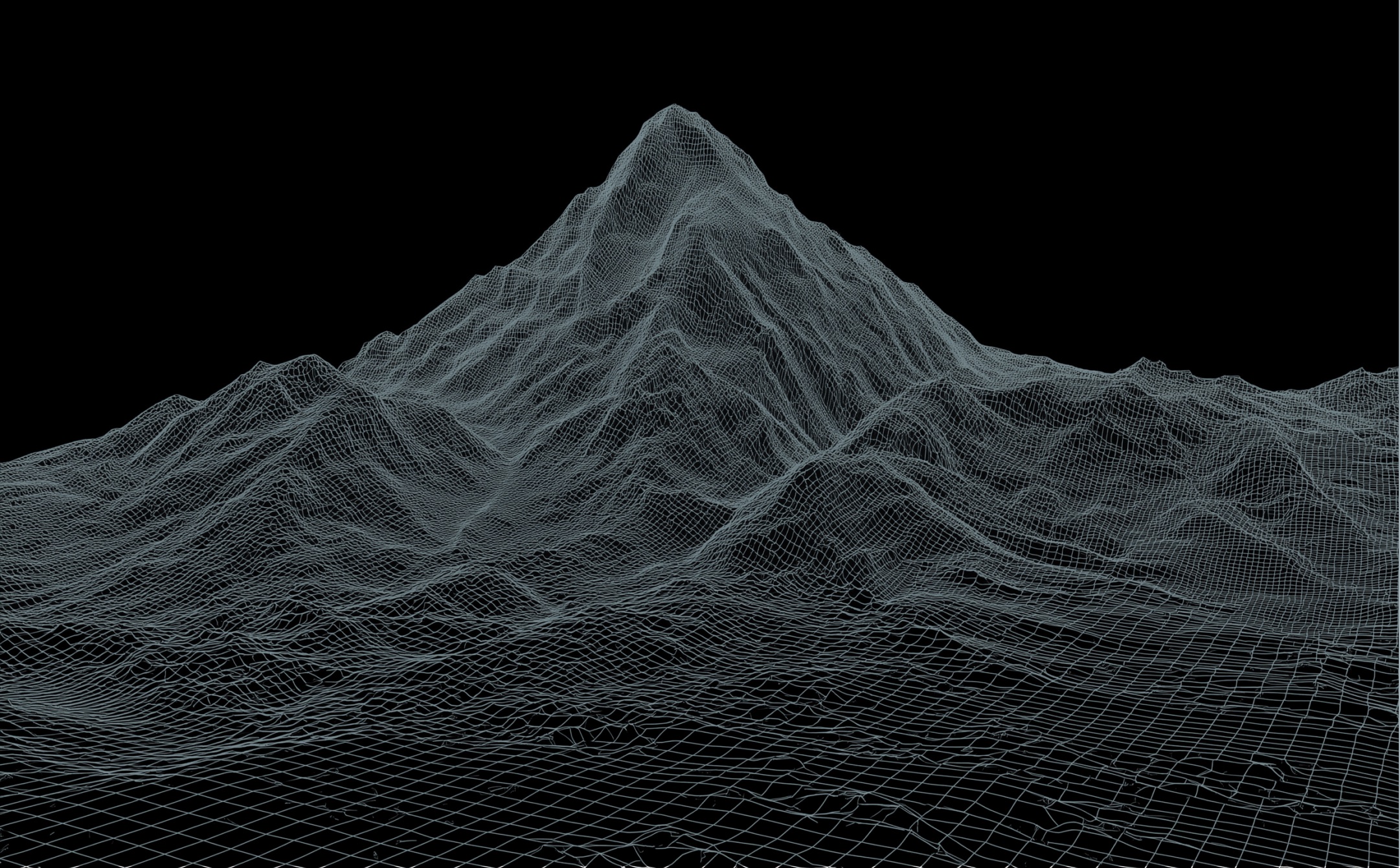
This is the terrain layer of the operating environment.
Like mountains and fortifications, posture shapes outcomes before an adversary ever engages. Elevation, structure, and constraint determine where movement is possible and where it is not.
This layer is not about reacting to threats.
It is about denying opportunity.
When terrain is intentional, many attacks never materialize.
SPH governs the baseline conditions under which systems operate.
Preventive
security controls.
Configuration hardening and enforcement.
Default system states and guardrails.
Policy enforcement without human intervention.
Reduction of unsafe conditions before exploitation.
SPH is not about responding faster.
It is about making exploitation harder.
Organizations often believe posture is static.
They harden once.
They document standards.
They assume drift is minimal.
It is not.
Systems change constantly. Configurations drift. Exceptions accumulate. Over time, defensive advantage erodes unless it is actively enforced.
This domain exists because prevention requires maintenance, not intention.
Weak Defenses and Reactive Reliance
When SPH fails, organizations compensate with monitoring and response.
Controls exist, but they are inconsistently applied.
Guardrails are optional.
Unsafe states persist until exploited.
How Failure Manifests
Inconsistent configurations across systems
Excessive reliance on SOC detection
Frequent exceptions without expiration
Controls bypassed for convenience
Recurring preventable incidents
Why Downstream Domains Cannot Compensate
No amount of vulnerability scanning or data governance can compensate for weak terrain.
When unsafe states are allowed by default, every downstream domain operates under unnecessary strain. Detection fires more often. Remediation volume increases. Exposure compounds faster than it can be reduced.
This layer determines whether defense is proactive or exhausted.
Preventive Enforcement
CDA enforces posture continuously, not periodically.
We focus on:
Making secure
states the default.
Blocking unsafe configurations automatically.
Enforcing policy without human intervention.
Reducing reliance on detection for known issues.
This is not posture documentation.
This is posture enforcement.
How SPH Feeds the Next Layer

When terrain is shaped intentionally, data can be contained predictably. When it is not, diffusion accelerates regardless of data policy.
SPH determines whether Data Protection & Sovereignty operates from strength or fragility.
SPH is engaged through Missions that establish hardened baselines, enforce guardrails, and continuously reduce preventable exposure.
It is never treated as a one-time hardening effort.
It is treated as terrain maintenance.

Security Posture & Hygiene is one layer of a stacked operating environment.
It is treated as terrain maintenance.
It favors defenders.
It determines whether attacks ever become events.