

Loss is granular
and irreversible.
This domain governs how data spreads, fragments, and escapes over time. When it fails, loss is quiet, permanent, and rarely recoverable.
Data Protection & Sovereignty is where trust erodes one grain at a time.
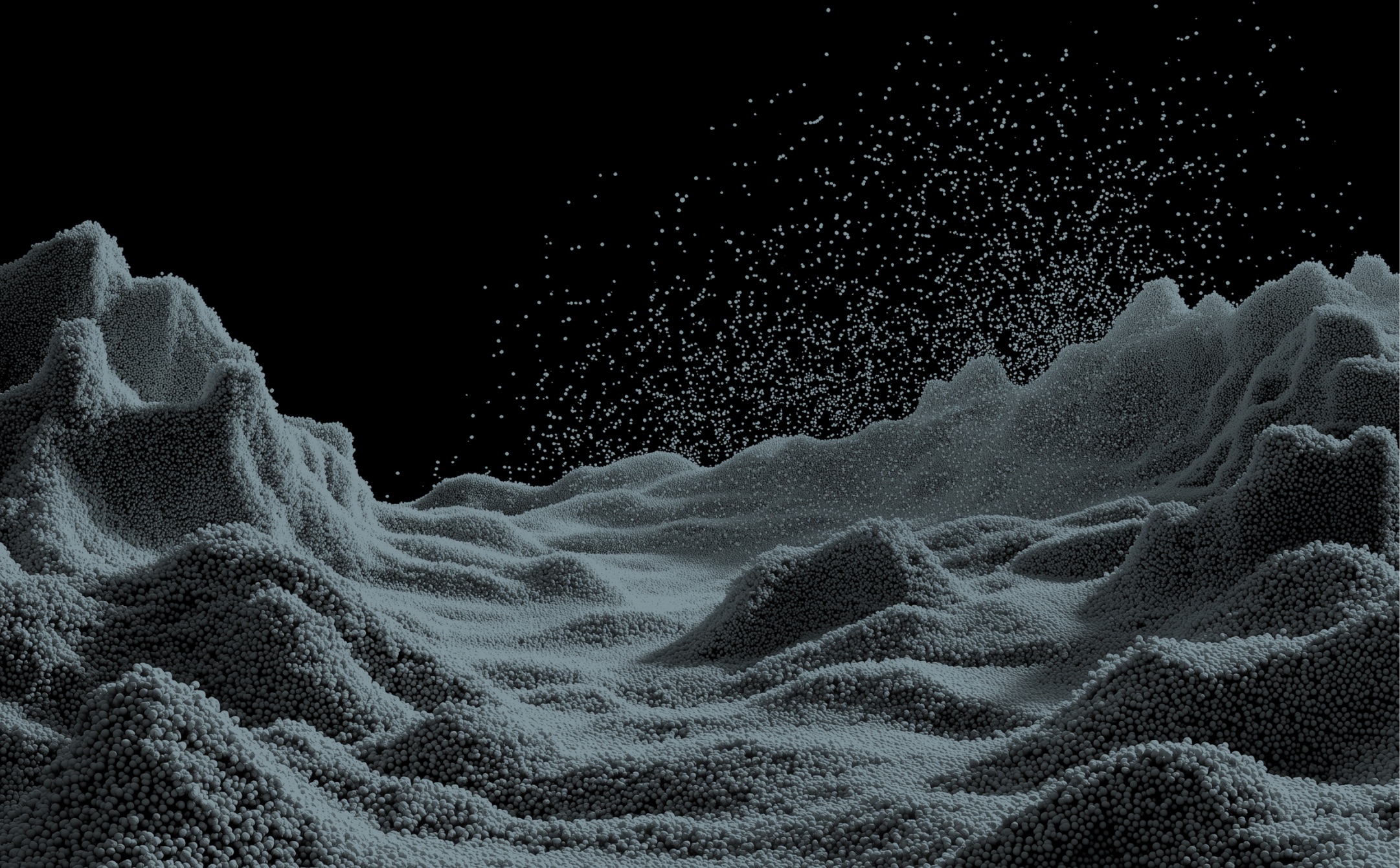
This is the diffusion layer of the operating environment.
Data behaves like sand. Countless grains, constantly shifting, difficult to contain once dispersed. It moves through systems, people, processes, and tools with little friction and even less visibility.
Unlike infrastructure or identities, data does not stay put.
It is copied. Cached. Shared. Exported. Forgotten.
It looks ordinary.
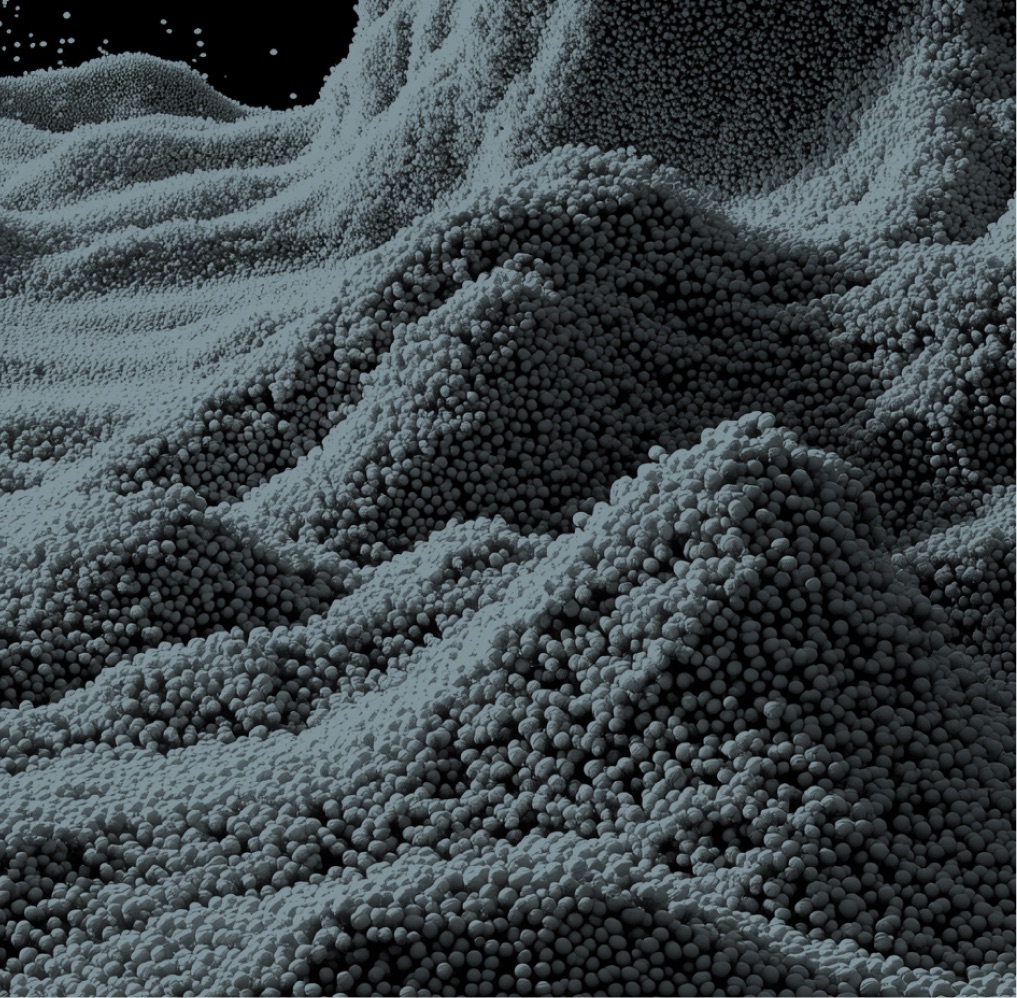
This domain governs how data exists, moves, and persists across environments.
Data sensitivity and classification
Data movement between systems and people
Containment boundaries and access constraints
Duplication, retention, and lifecycle control
Sovereignty, residency, and jurisdictional exposure
DPS is not about storage security alone.
It defines whether data can be meaningfully controlled at scale.
Organizations often believe data protection is solved by access control or encryption.
It is not.
This domain exists because scale and irreversibility change the nature of risk. Once data spreads beyond intended boundaries, recovery is rarely possible. Even when exposure is detected, damage is already done.
Trust is not lost in a single moment.
It erodes gradually, through overexposure and uncontrolled diffusion.
Leakage, Overexposure, and Irreversibility
When DPS fails, data does not disappear all at once.
It leaks.
It spreads.
It accumulates outside of control.
How Failure Manifests
Sensitive data duplicated across systems
Excessive sharing and unmanaged exports
Data retained beyond business need
Loss of sovereignty across jurisdictions
Permanent exposure without clear remediation
Only damage control remains.
Why Downstream Domains Cannot Compensate
No amount of vulnerability management or posture enforcement can reverse data loss.
Once data diffuses, controls operate after the fact.
Detection becomes notification.
Response becomes explanation.
This layer determines whether trust can be preserved or quietly destroyed.
Containment and Lifecycle Control
CDA governs data as a living asset, not a static artifact.
We focus on:
Explicit sensitivity classification.
Intentional movement boundaries.
Minimizing duplication and exposure.
Enforcing retention and disposal discipline.
This is not data labeling for its own sake.
This is loss prevention through containment.
How DPS Feeds the Next Layer

When data is contained intentionally, vulnerability pressure is manageable.
When it is not, exposure multiplies across systems and dependencies.
DPS determines whether Vulnerability & Surface Defense is fighting accumulation or drowning in it.
This domain is engaged through Missions that establish data clarity, enforce containment, and reduce irreversible exposure over time.
It is never treated as a compliance checkbox.
It is treated as a trust preservation problem.
Data Protection & Sovereignty is one layer of a stacked operating environment.
It governs what can be lost.
It determines what cannot be recovered.
It defines how trust erodes when control slips.
In this layer, small losses add up forever.